The structural gap between education and economic productivity
Nigeria’s economic future will be shaped not only by capital flows, but by the strength of the institutions that develop its talent. Each year, more than two million young Nigerians apply for university places, yet only about 700,000 are admitted, highlighting a structural capacity constraint within the higher education system.
Bridging this access gap requires sustained investment in universities as critical enablers of productivity, innovation, and long-term economic competitiveness.
For decades, Chairman of Honeywell Group, Dr. Oba Otudeko, CFR, has approached education as a strategic lever for institution-building, supporting systems that strengthen leadership capability, expand enterprise potential, and create foundations for generational impact. Through the Oba Otudeko Foundation, established in 2003, this philosophy has translated into sustained investments in infrastructure, endowments, and institutional capacity designed to expand opportunity and strengthen the environments where talent is developed.
A philosophy expressed through institutional investment
Across business cycles and evolving economic realities, Honeywell Group’s approach to development has remained grounded in the belief that strong organisations are built on strong systems. Drawing from Dr. Oba Otudeko’s experience across financial services, manufacturing, and enterprise development, the Group has sustained targeted investments in education through infrastructure development, institutional endowments, and strategic support aimed at strengthening institutions with long-term generational impact.
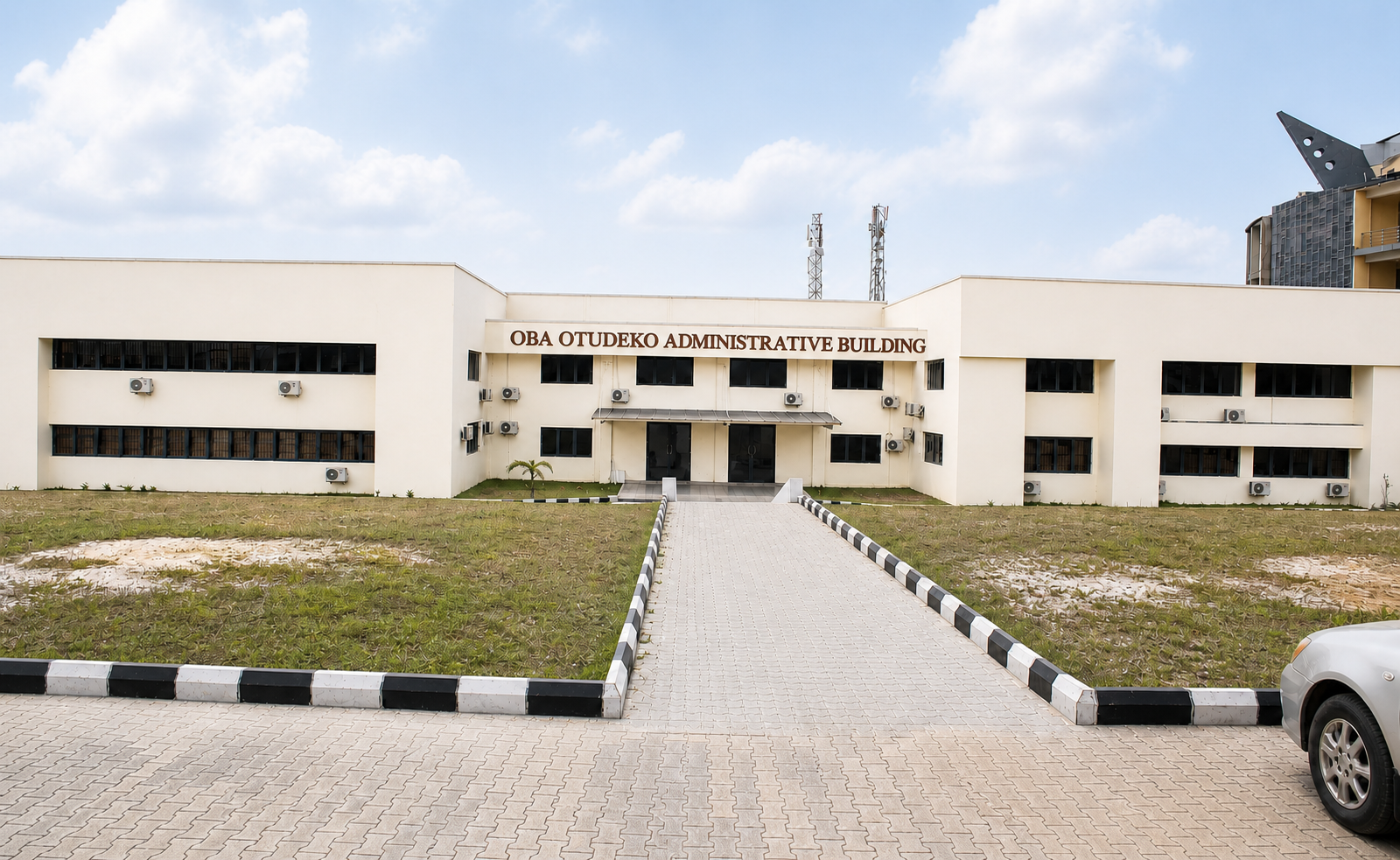
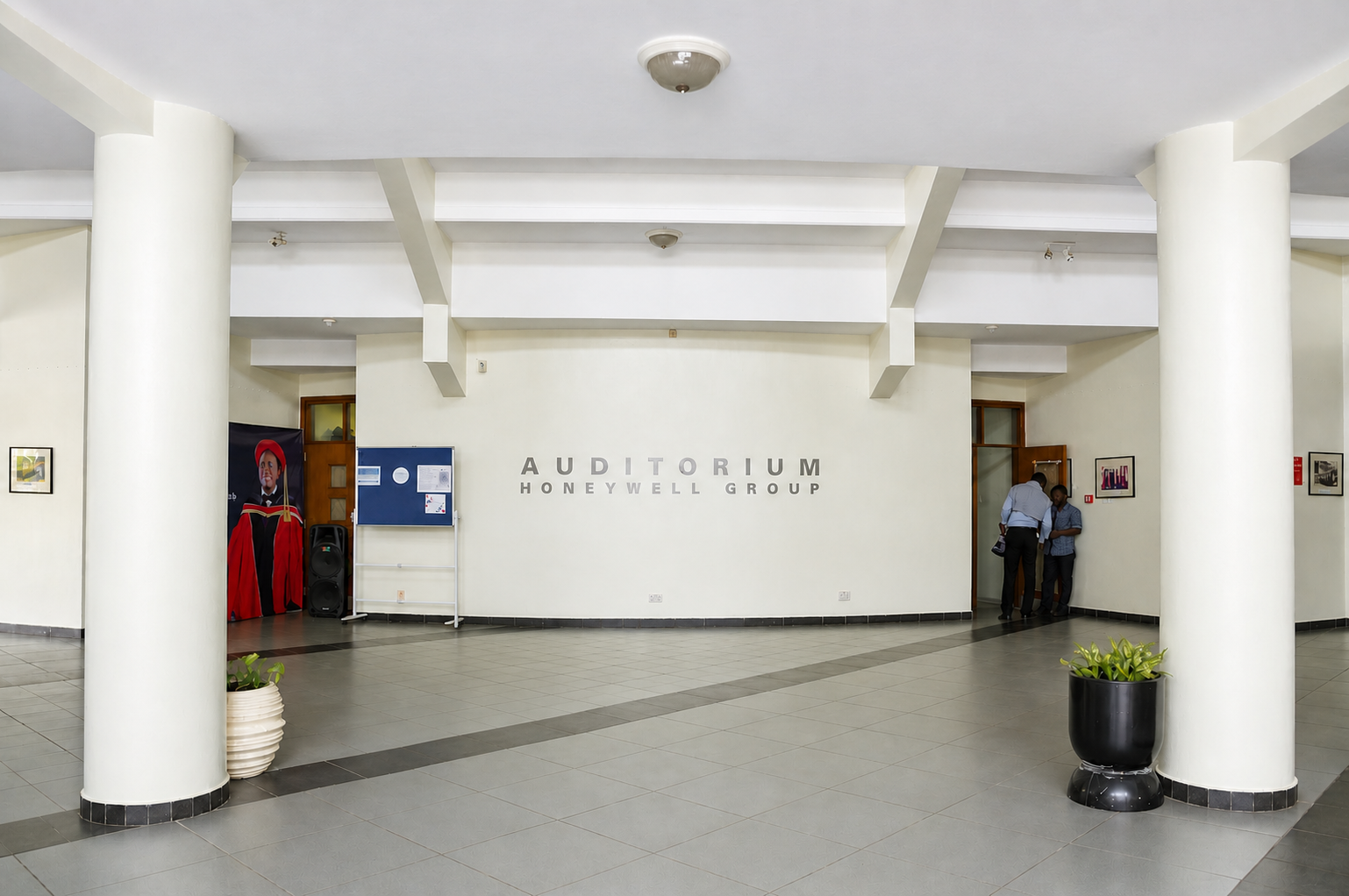
From lecture theatres that convene global policy conversations to administrative complexes that enable universities to function efficiently at scale, these investments reflect a deliberate emphasis on strengthening systems that support learning, leadership formation, and enterprise development. The Honeywell Auditorium at Lagos Business School and the Oba Otudeko Administrative Complex at Olabisi Onabanjo University provide practical examples of how long-term institutional investment contributes to both educational quality and operational effectiveness.
A convening platform for leadership and global engagement: Lagos Business School
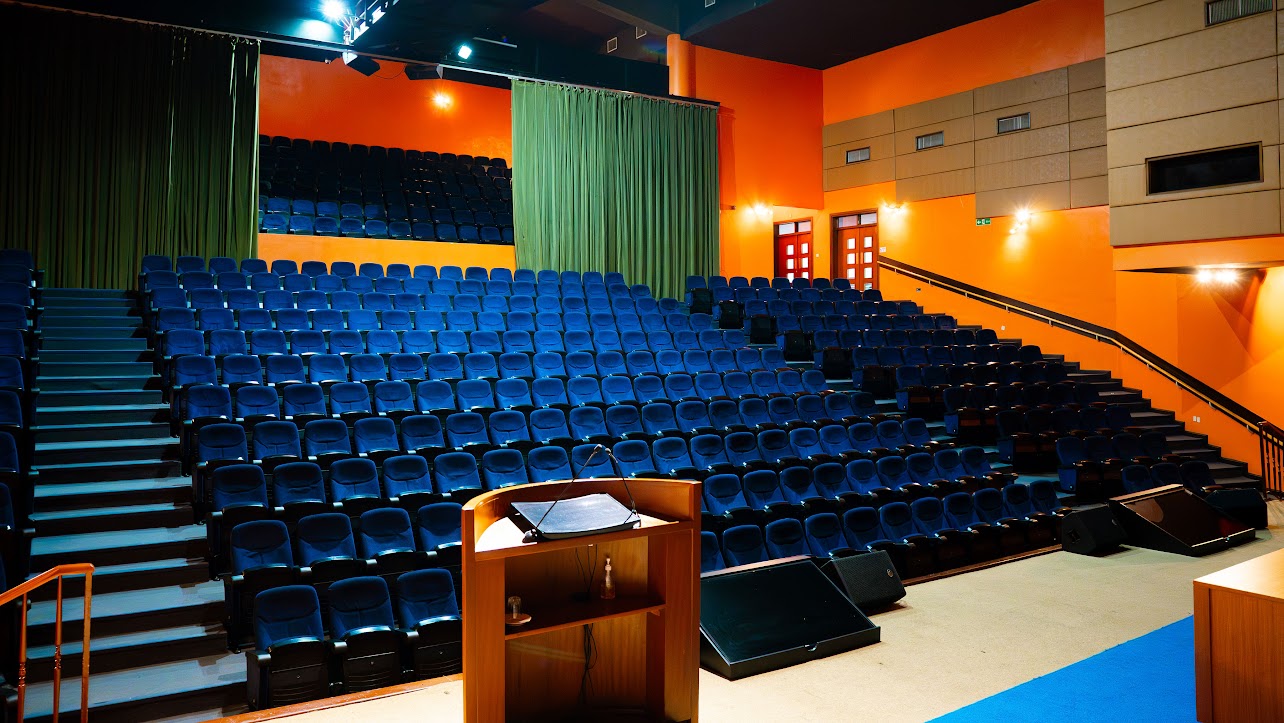
At Lagos Business School, Pan-Atlantic University, the Honeywell Auditorium has become a central institutional space supporting leadership development and intellectual exchange. The facility hosts graduation ceremonies, faculty lectures, executive education programmes, entrepreneurship initiatives, and high-level dialogues.
Described by the institution as its “town square,” the auditorium provides a shared platform where students, executives, and entrepreneurs develop ideas that shape enterprise and policy conversations across the continent.
Beyond its physical presence, the facility contributes to the quality of interaction that defines academic institutions globally. By enabling structured engagement between academia, enterprise, and international stakeholders, it strengthens the intellectual ecosystem required to support innovation and economic growth.
Strengthening the systems that enable universities to function at scale: Olabisi Onabanjo University
If the Honeywell Auditorium represents investment in intellectual exchange, the Oba Otudeko Administrative Complex at Olabisi Onabanjo University addresses an equally critical institutional need: operational effectiveness.
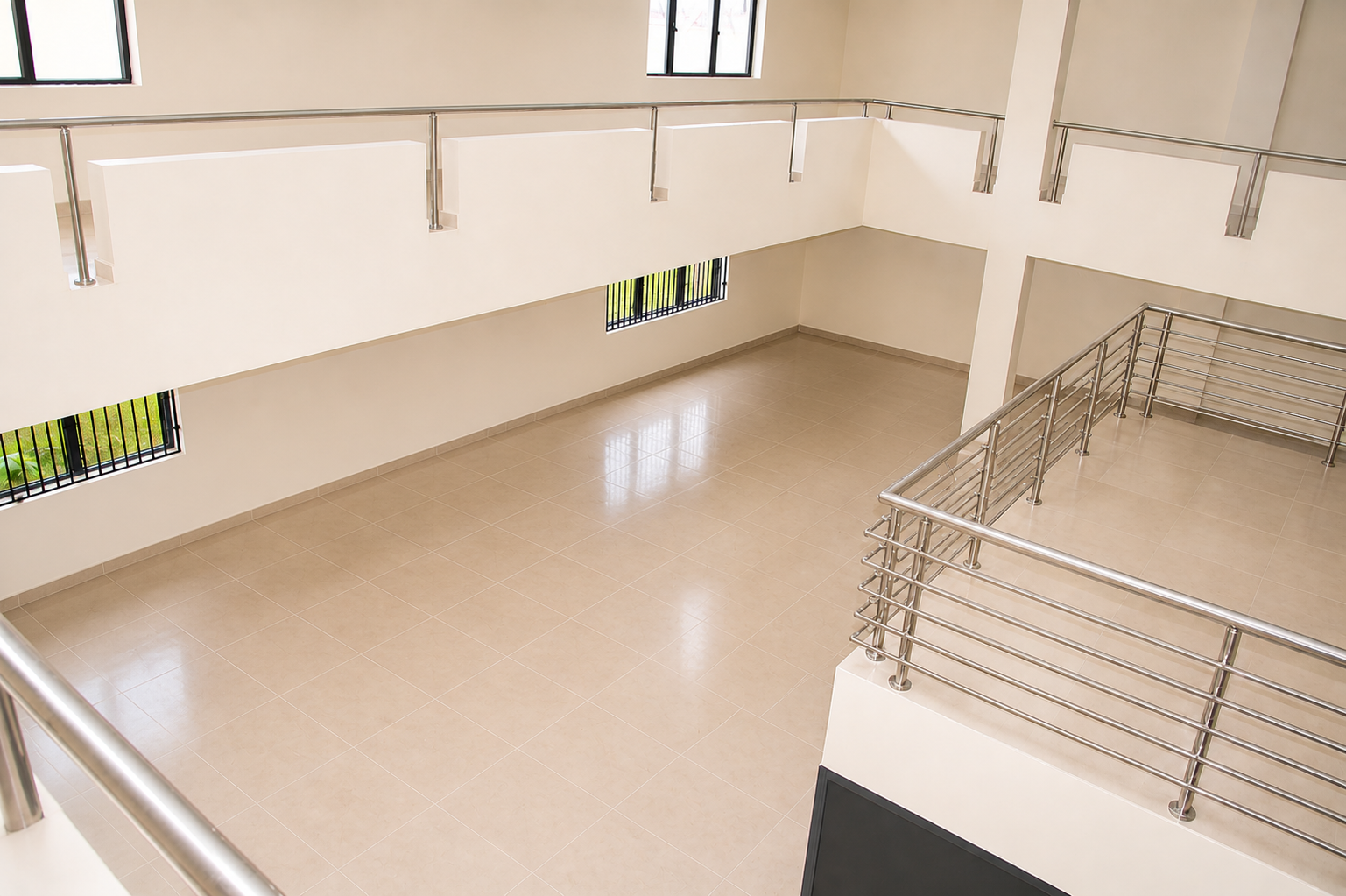
The 2,400-square-metre administrative complex consolidates key operational units within a purpose-built environment designed to improve coordination and service delivery. By strengthening the administrative backbone of the institution, the facility enhances the university’s ability to function effectively while supporting improved academic outcomes for a growing student population.
Complementing this investment is an earlier endowment to the Centre for Entrepreneurial Studies, which expands exposure to venture development and innovation, equipping students with practical competencies aligned with evolving economic realities.
Connecting knowledge systems to enterprise capability
Across Lagos Business School and Olabisi Onabanjo University, a consistent institutional principle emerges: environments that support learning must also support application. Graduates entering today’s workforce must navigate technology-enabled markets that reward adaptability, problem-solving, and enterprise thinking.
Institutions that combine academic rigour with practical exposure are better positioned to produce graduates capable of contributing meaningfully to economic development. By supporting both academic infrastructure and entrepreneurship education, Honeywell Group contributes to an ecosystem that strengthens innovation capacity and expands pathways for productivity.
“Nations advance when their institutions are strong and their people are equipped to lead, innovate, and create value. Investing in human capital is therefore not an act of charity, but a strategic commitment to long-term economic resilience.”
Dr. Oba Otudeko, CFR.
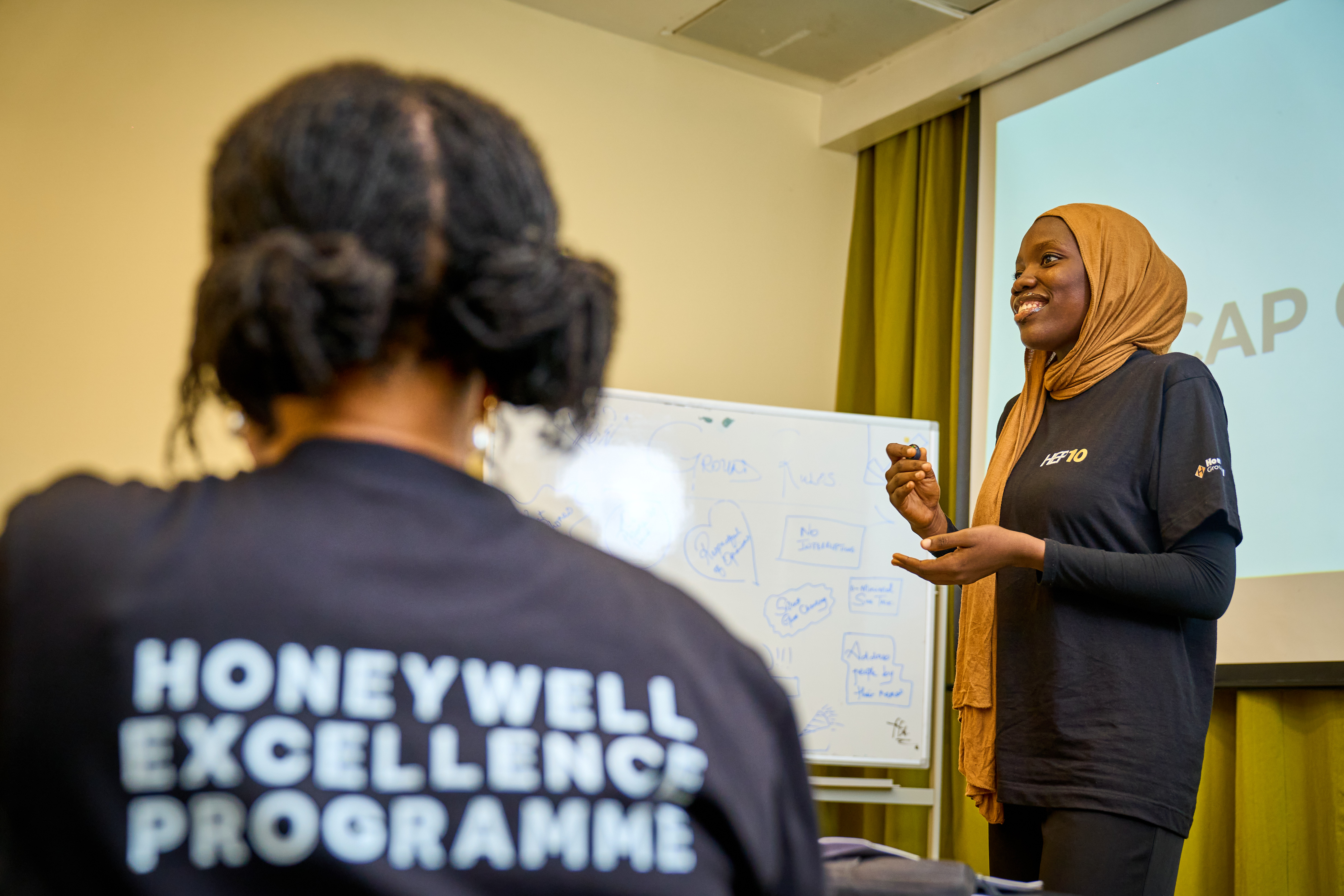
Leadership pipelines as institutional infrastructure: The Honeywell Excellence Programme
For Dr. Oba Otudeko and Honeywell Group, institution-building has always extended beyond physical infrastructure to the deliberate development of people capable of strengthening the systems that drive economic progress. This long-standing commitment to human capital reflects the belief that resilient organisations and competitive economies are ultimately shaped by the quality of their leadership, values, and capabilities. This philosophy is exemplified through the Honeywell Excellence Programme (HEP), which provides structured exposure to enterprise leadership through rotational placements across the Group’s operating companies, equipping participants with practical insight into strategy, finance, operations, and business development within dynamic institutional environments.
As Tomi Otudeko, Chief Operating Officer, Honeywell Group, notes, “The Honeywell Excellence Programme reflects our belief that strong institutions are built by capable people. Through structured exposure, values-based leadership, and enterprise experience, we develop professionals equipped to create meaningful, lasting impact.” Through sustained continuity, the programme has developed professionals who now contribute across sectors including financial services, manufacturing, consulting, and technology, reinforcing a leadership pipeline aligned with the demands of a modern economy.
Building institutions designed to endure
By focusing on institutional capacity, the Oba Otudeko Foundation and the Honeywell Group are investing in systems to bolster economic stability. These initiatives promote leadership, entrepreneurship, and national growth by enhancing the settings in which people learn.